A 21-year-old gay Moroccan woman states she was deported from the US to a third country where homosexuality is illegal, despite a prior protection order from a US immigration judge.
Farah (name shortened due to fear of retaliation) told AP that she has since returned to Morocco and is living in hiding.
Abused Due to Sexual Orientation
In Morocco, same-sex relations can be punishable by up to three years in prison. Farah stated that she was beaten by her family and her girlfriend's family after they discovered their relationship. She was expelled from her home and fled with her girlfriend to another city, but they were found by their families and received death threats.
Through friends, the two obtained visas to Brazil, then crossed six countries to reach the US border in early 2025 and applied for asylum.
Detained for Nearly a Year
Instead of being granted asylum, Farah said she was detained for nearly a year, first in Arizona and then in Louisiana. She described cold detention conditions and inadequate medical care.
Her asylum application was denied, but in August 2025, a US immigration judge issued a protection order, determining that she could not be deported to Morocco due to life-threatening risks. Her girlfriend was not granted protection and was deported.
Deported to Cameroon
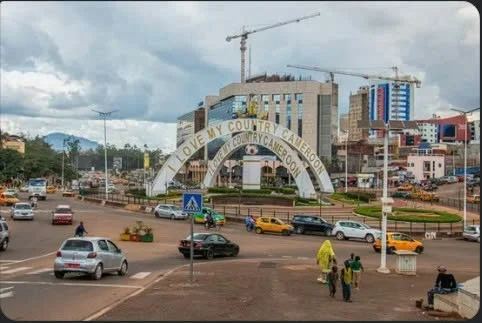
Farah stated that just three days before her release hearing, she was handcuffed by Immigration and Customs Enforcement (ICE) and put on a plane to Cameroon—where homosexuality is also considered illegal.
She was held at a detention facility in Yaounde. According to lawyer Joseph Awah Fru, 15 individuals deported from the US are currently held there, none of whom are Cameroonian citizens.
Farah said she refused to stay in Cameroon due to fear of danger, after which she was sent back to Morocco.
Many with Protection Orders
According to lawyer Alma David of Novo Legal Group, eight people on the first flight to Cameroon in January 2026 had received protection orders from immigration judges. AP also interviewed two women from Ghana and Congo who stated they also had protection orders.
The Trump administration employed third-country deportation measures against some undocumented immigrants, arguing that if a judge concluded they had no right to remain in the US, they would be deported.
The US Department of Homeland Security stated that deportations comply with current law and agreements with third countries ensuring legal procedures.
The US Department of State declined to comment on specifics. The Cameroonian Ministry of Foreign Affairs did not respond to requests for comment.
Agreements with African Countries
Cameroon is one of at least seven African nations that receive individuals deported under third-country arrangements, alongside South Sudan, Rwanda, Uganda, Eswatini, Ghana, and Equatorial Guinea.
According to a report by Democratic staff on the US Senate Foreign Relations Committee, the administration spent at least $40 million to deport approximately 300 individuals to countries that were not their homelands.
Internal documents show that 47 third-country deportation agreements are in various stages of negotiation.
Impossible Choices
Farah said being taken through multiple countries and ultimately returned to Morocco made her feel it was unjust.
"America was built by immigrants and immigrant labor. Not all of us are a threat. What happened to me is unfair. A normal deportation would probably be easier to accept. But to go through all of that and then be sent away in this manner is truly cruel."
The incident continues to fuel debate regarding third-country deportations for individuals who have received protection orders from US immigration courts.