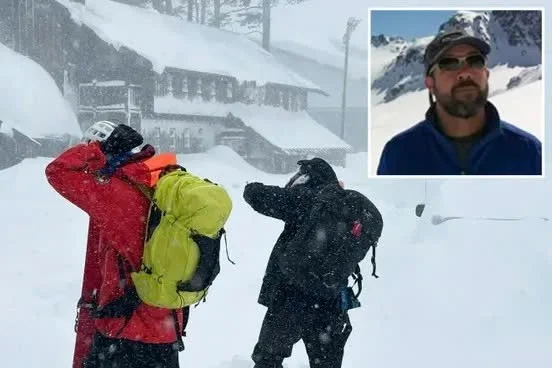
Castle Peak Avalanche: 8 Dead, 1 Missing
Eight people died and one is missing after an avalanche at Castle Peak near Lake Tahoe on February 20. Emergency physician Eric Stendell identified three main causes of death: severe trauma, suffocation, and hypothermia, with suffocation and trauma accounting for the highest proportion.
Snow Compresses Like Cement, Victims Need Rescue Within 15 Minutes
According to Stendell, when an avalanche moves, the snow mass flows like water, but once it stops, it compresses into a hard block like cement. Buried individuals find it difficult to move or create air pockets to breathe. Even with small "air pockets" under the snow, victims need to be dug out within the first 15 minutes. After one hour, the chance of survival significantly decreases.
He emphasized that time is a critical factor in rescue efforts. Victims can be swept through trees or rocks, leading to severe trauma. If not killed by impact, the risk of suffocation rapidly occurs as airways are blocked.
Hypothermia: A Third, Less Common Risk
Hypothermia occurs when victims survive the first two factors. As body temperature drops, victims transition from violent shivering to confusion, loss of consciousness, and slowed breathing and heart rate. However, Dr. Stendell noted that hypothermia is less common than suffocation and trauma in avalanche incidents.
Tour Organizer Under Investigation
The Nevada County Sheriff's Office and search and rescue teams launched a rescue operation immediately after the incident. State and local authorities have opened separate investigations into the cause, with the tour organizer Blackbird Mountain Guides under scrutiny.
The tragedy sent shockwaves through the mountain communities around Tahoe, where many residents knew the victims directly or indirectly. The incident once again highlights the high danger of backcountry skiing in extreme weather conditions.