Governor Pritzker Demands $8.7 Billion Tariff Refund
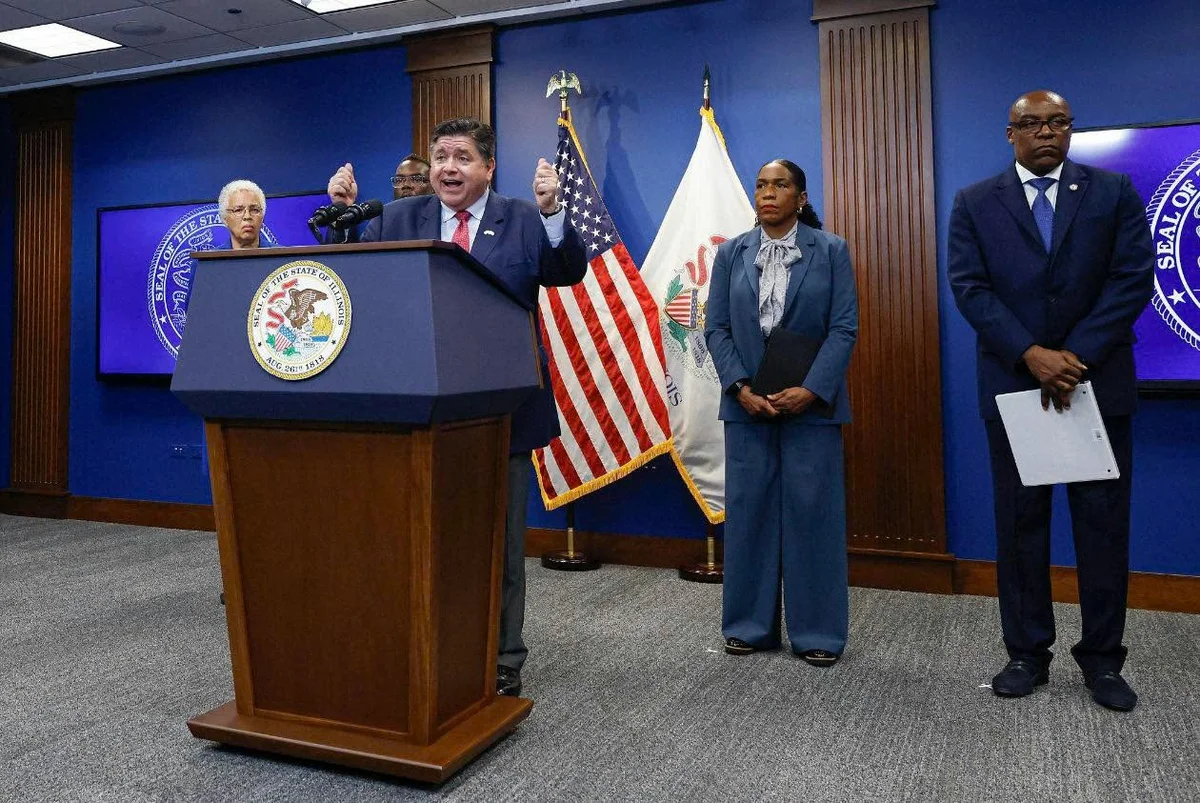
SPRINGFIELD, Illinois — Illinois Governor JB Pritzker has officially sent a letter to President Donald Trump, demanding that the federal government refund approximately $8.7 billion in tariffs, which the Governor's Office asserts have created significant financial burdens for businesses and residents in Illinois.
The $8.7 billion figure cited in the letter reflects the total estimated damages Illinois claims to have incurred from the trade tariff policies implemented by the Trump administration.
Illinois Claims Tariffs Cause Severe State Damages
The Illinois Governor's Office argues that import tariffs have directly impacted the state's economy in multiple ways, including increasing raw material costs for manufacturing businesses, driving up consumer goods prices, and creating difficulties for industries reliant on international supply chains.
Illinois is one of the largest economies in the United States, with agriculture, manufacturing, and trade playing crucial roles. The tariff policies have particularly affected soybean farmers and industrial manufacturers within the state.
Background on the Trump Administration's Tariff Policy
Tariffs were a trade tool used by the Trump administration with several objectives:
- Protecting domestic manufacturing from inexpensive imported goods.
- Reducing trade deficits with major partners, especially China.
- Increasing negotiating leverage in international trade agreements.
However, many states, businesses, and economists argue that import tariffs actually place a burden on American consumers and businesses, rather than on the countries subject to the tariffs.
White House Yet to Respond, Debate May Continue
As of now, the White House and the federal government have not issued any official response to Governor Pritzker's refund request.
Analysts believe the likelihood of the federal government agreeing to refund the tariff money to Illinois is very low. However, Pritzker's move carries strong political symbolism, reflecting the deepening disagreement between Democratic-led states and the federal government over trade policy.
Legal and political debate between the state and federal government surrounding the tariff issue is expected to escalate in the near future.