Supreme Court Remands Tariff Refund Case to Lower Court
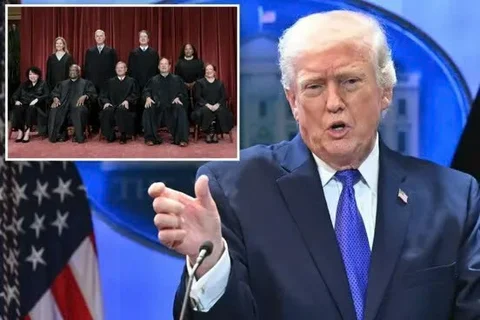
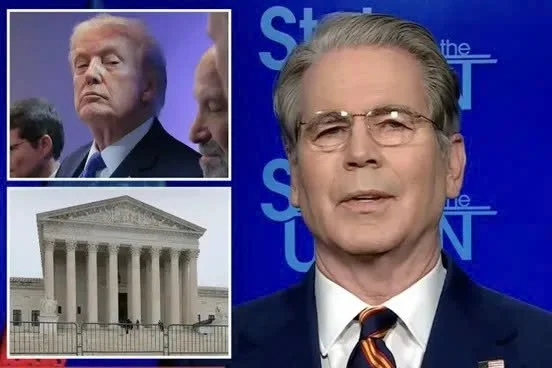
Treasury Secretary Scott Bessent stated that the mechanism for refunding revenue collected from tariffs under the International Emergency Economic Powers Act (IEEPA) depends on a lower court's ruling, after the Supreme Court rejected the continuation of these tariffs.
Speaking on CNN's "State of the Union" on February 22, Bessent said the Supreme Court did not resolve the refund issue in its 6-3 ruling and remanded the case to a lower court for processing. He suggested this process could take weeks or months.
According to data from US Customs and Border Protection, IEEPA tariffs collected over $133 billion as of last December, out of a total of $251 billion in tariffs since the beginning of President Trump's second term. Following the ruling, many businesses filed lawsuits demanding refunds.
Administration Shifts to Sections 122, 232, and 301
Secretary Bessent emphasized that the Trump administration's trade protection policy continues to be implemented through other legal bases. He stated that the White House is now using Section 122 of the Trade Act of 1974 to impose a baseline tariff of 10% and raise it to 15%. Tariffs under Section 122 are effective for a maximum of 150 days and require congressional extension.
Concurrently, the administration is conducting reviews under Section 232 of the Trade Expansion Act of 1962 and Section 301 of the Trade Act of 1974 to maintain equivalent tariff levels. Section 232 permits tariffs for national security reasons, while Section 301 allows retaliatory tariffs after an investigation.
Trade Representative Affirms Unchanged Direction
U.S. Trade Representative Jamieson Greer affirmed that President Trump's tariff policy direction remains unchanged regardless of the lawsuit's outcome. He stated that trade partners continue to monitor developments and maintain communication with Washington.
The ruling marks the Trump administration's biggest legal setback at the Supreme Court regarding IEEPA. Nevertheless, the Treasury Department and the Office of the U.S. Trade Representative affirmed that projected revenue for fiscal year 2026 remains unchanged thanks to alternative mechanisms.