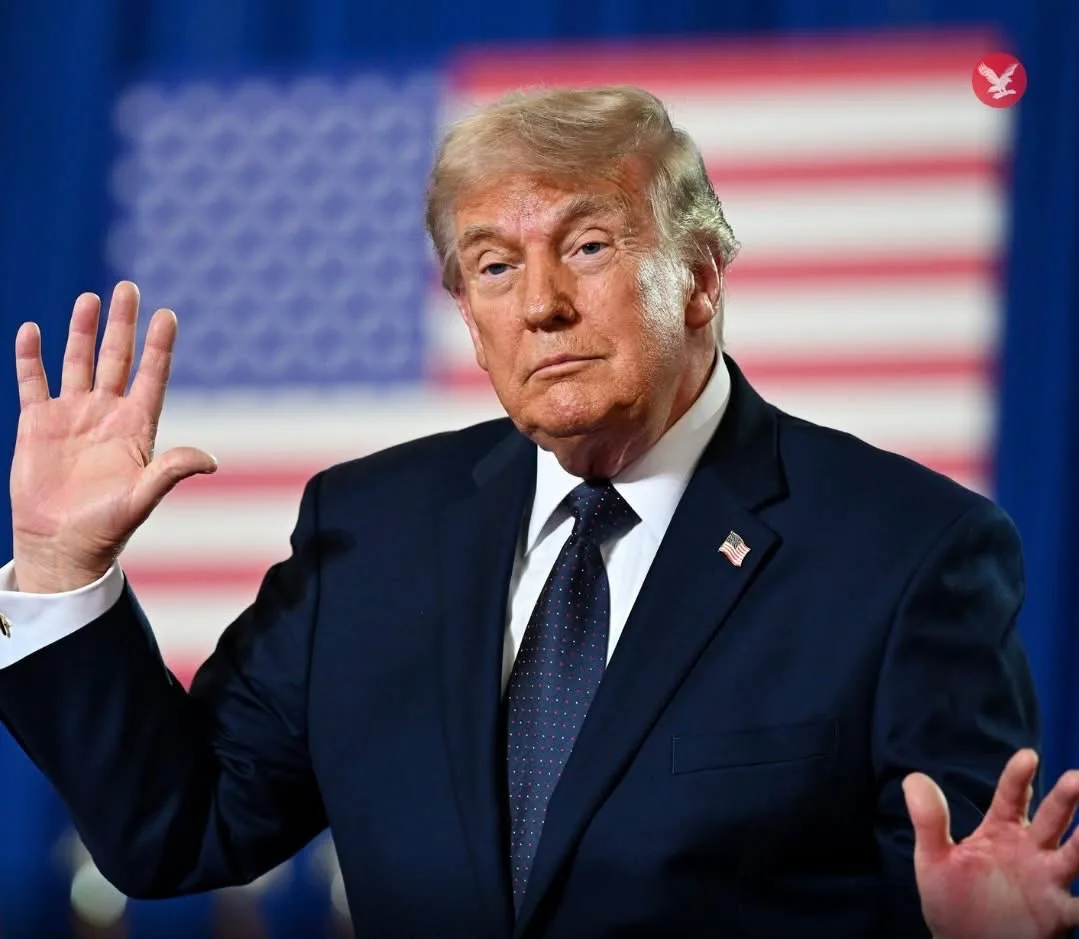
The conflict between the United States and Iran continued to escalate on June 11 as President Trump announced the U.S. would attack Iran “very hard tonight,” simultaneously warning that Washington could seize control of Iran's strategic oil and gas facilities, including Kharg Island – the country's largest oil export hub.
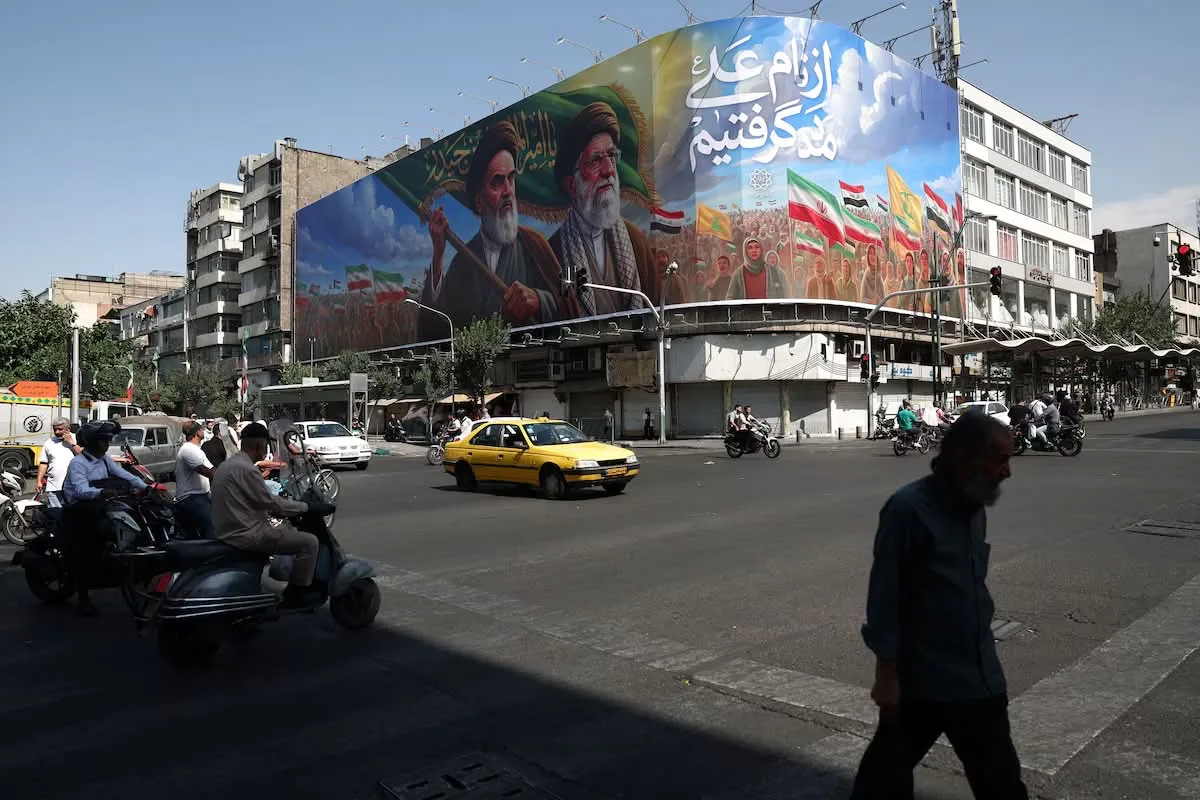
According to the latest reports, U.S. forces conducted new airstrikes targeting Iranian military objectives on Thursday morning. Explosions were reported in the capital region of Tehran, the port city of Bandar Abbas, and various locations along the Strait of Hormuz.
In a post on Truth Social, President Trump declared the U.S. would hit Iran “VERY HARD TONIGHT” and stated Washington could move to control Iran's critical energy infrastructure in the near future.
Iran Calls for Halt to Airstrikes
According to an interview with Fox News, President Trump stated he had spoken with high-ranking Iranian officials. He claimed that Iran had requested the U.S. cease its ongoing airstrikes. President Trump also revealed that the latest U.S. operation utilized 49 Tomahawk missiles and fighter jets targeting Iran's radar and air defense systems.
Iran Attacks U.S. Allies
Following U.S. airstrikes, Iran launched missiles and drones targeting facilities in Bahrain, Kuwait, and Jordan – three countries with a U.S. military presence. Some interceptions were made, but property damage and some injuries were still reported.
U.S. Continues Oil Blockade on Iran
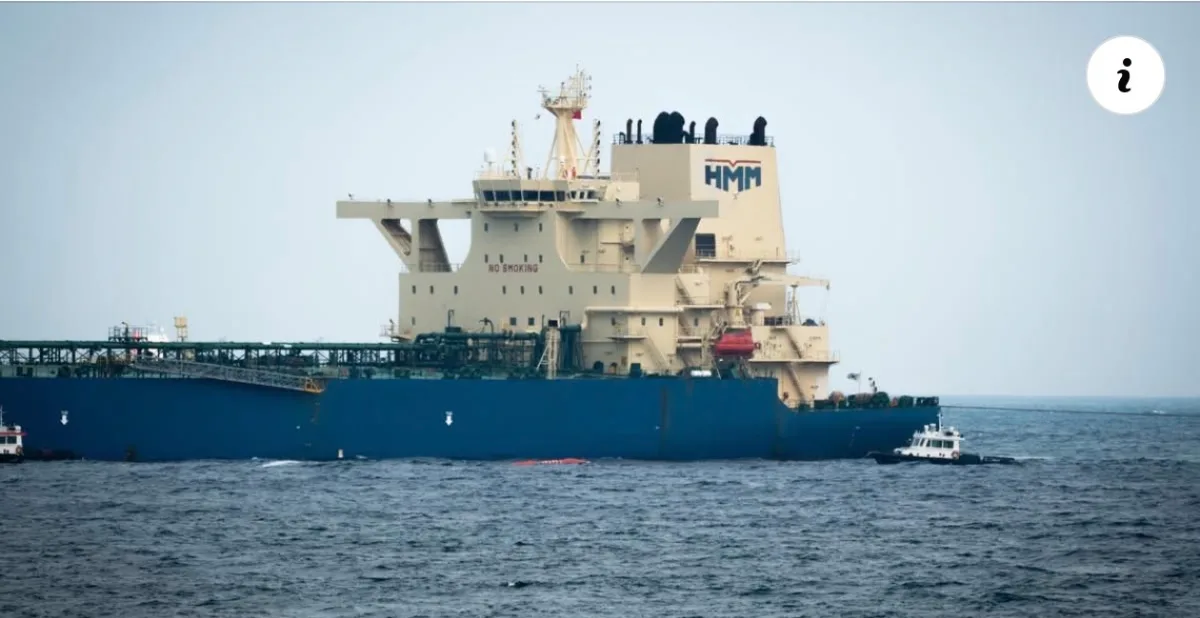
U.S. forces also continued their maritime blockade campaign against Iran. According to reports released on June 11, a Guinea-Bissau-flagged oil tanker had its engine disabled by a Hellfire missile after allegedly transporting Iranian oil. This was the third vessel incapacitated within three days.
Observers believe that the tit-for-tat attacks are pushing the Middle East region towards a risk of large-scale war, while also adding pressure to the global energy market.